Structured issue isolation
Service 07
Infrastructure Troubleshooting
Project-specific review and fault isolation for supported telecommunications, network, security, and connected infrastructure systems.
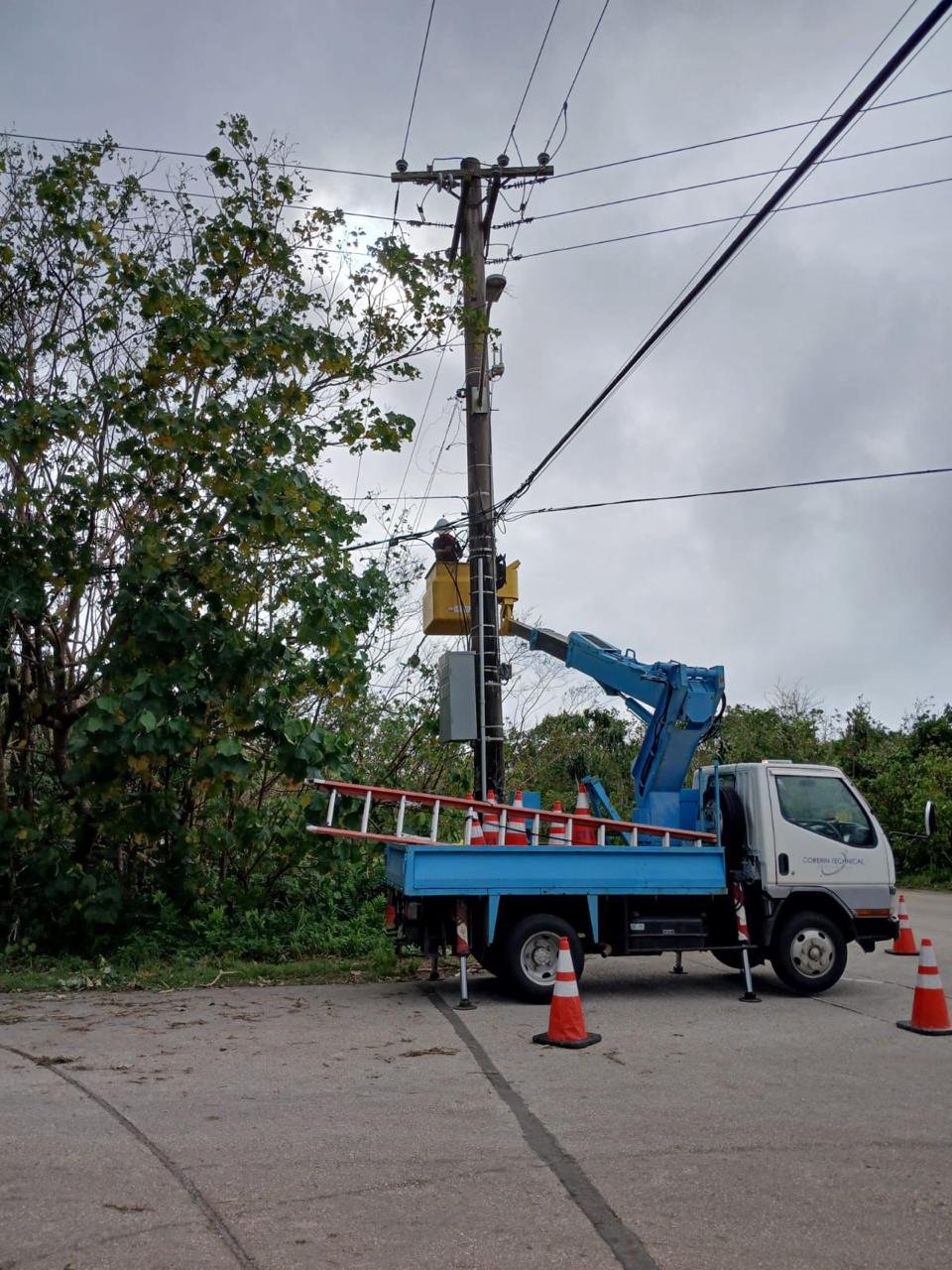
Guam & Pacific Region
Technical overview
Built around the complete infrastructure scope.
Troubleshooting begins with the reported symptom, the affected environment, and the available system information. Supported systems, access requirements, and response arrangements are confirmed before work begins.
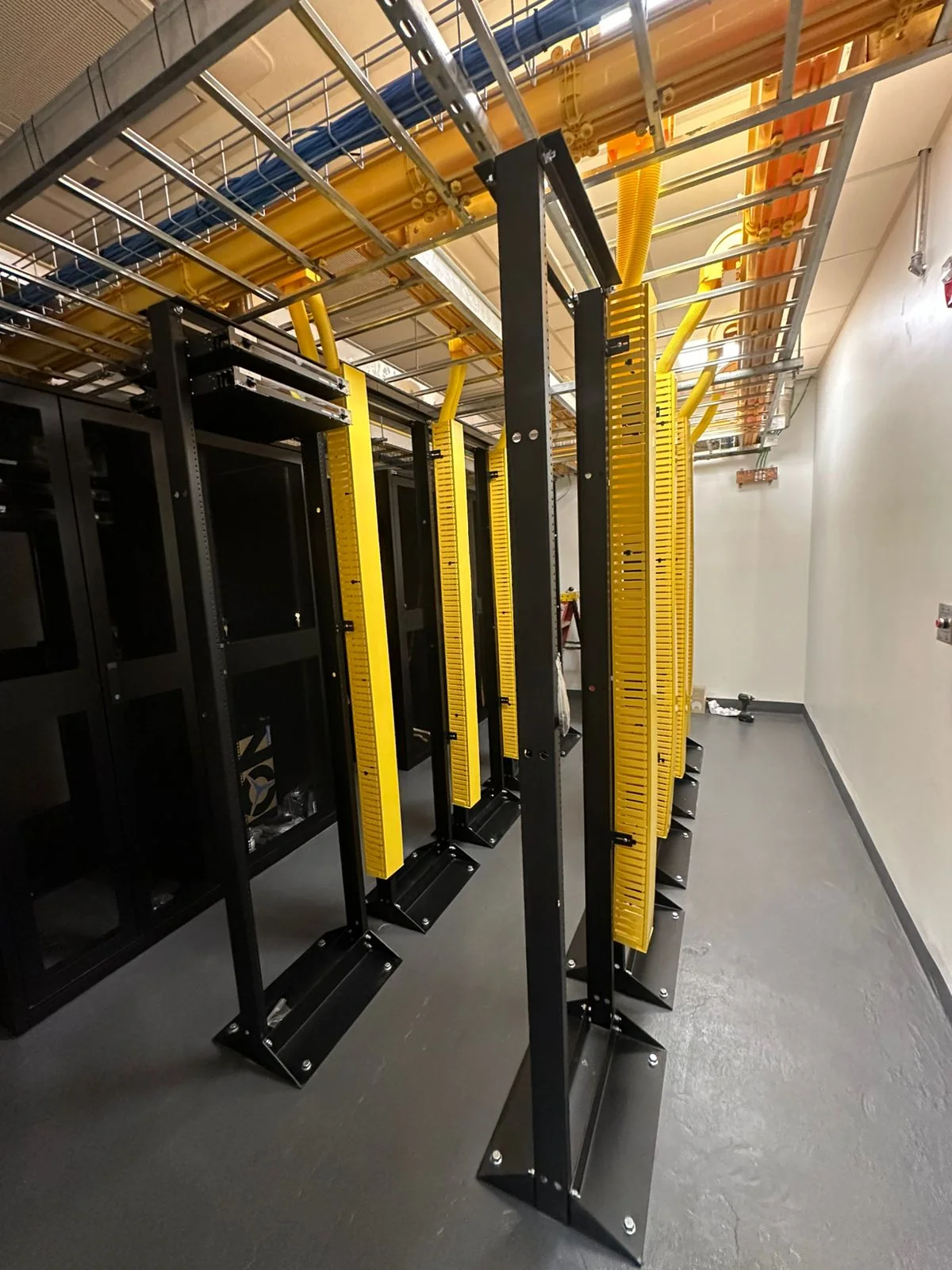
The review can cover visible connections, pathways, endpoints, and relevant system conditions so findings and an appropriate corrective scope can be organized without assuming the cause in advance.
Core capabilities
Technical execution in the field.
01
Reported-issue intake
02
Existing-system review
03
Physical-connection inspection
04
Pathway and endpoint checks
05
Fault isolation
06
Corrective-scope coordination
07
Post-work verification
Applications
Configured for the project environment.
Scope and execution are coordinated around the facility, pathway, operating environment, and related telecommunications systems.
Connectivity interruptionsDegraded system behaviorExisting infrastructure concernsMoves, additions, and changesPost-installation issue reviewMulti-system environments
Field details
A closer look inside the system.
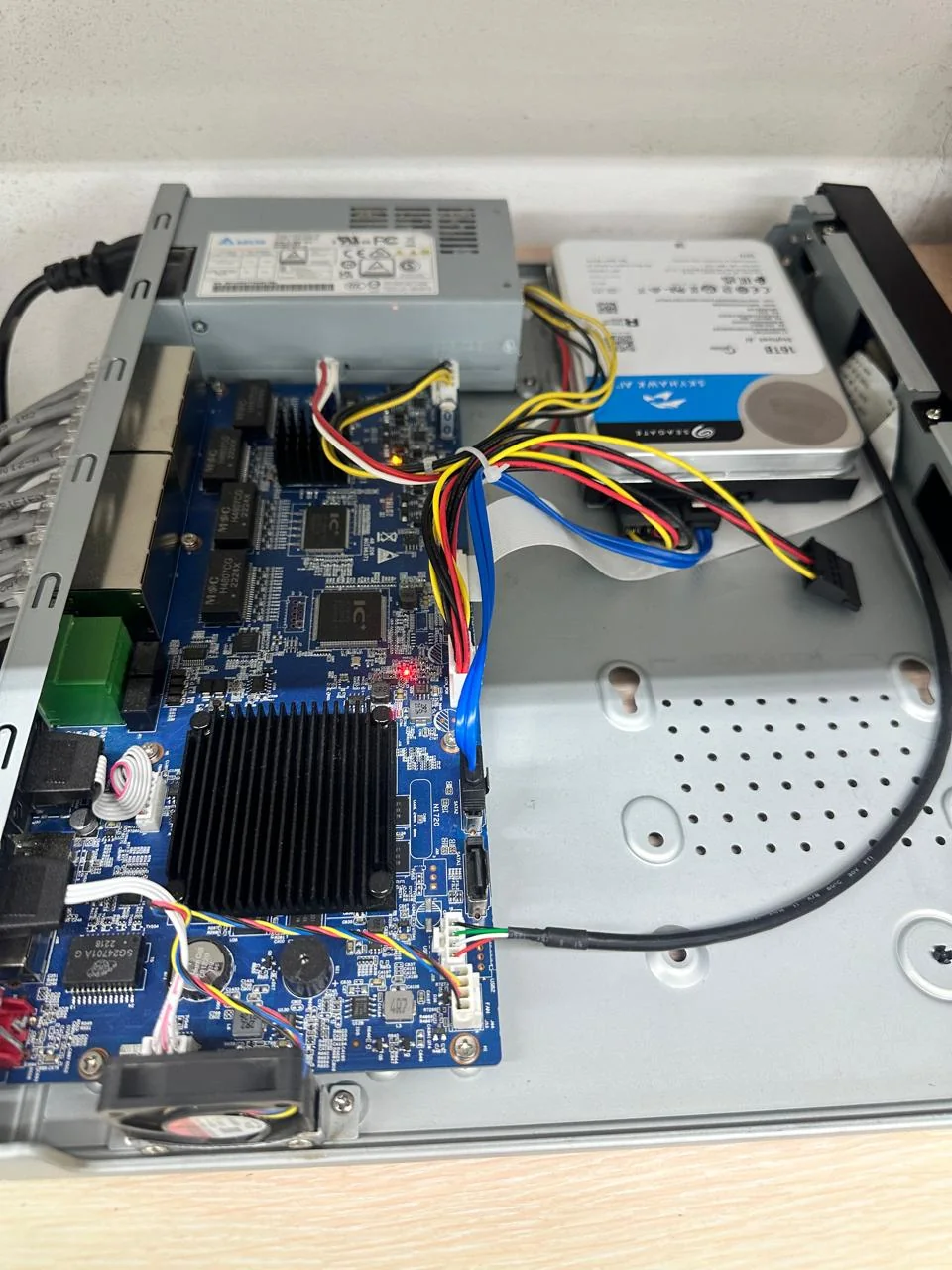
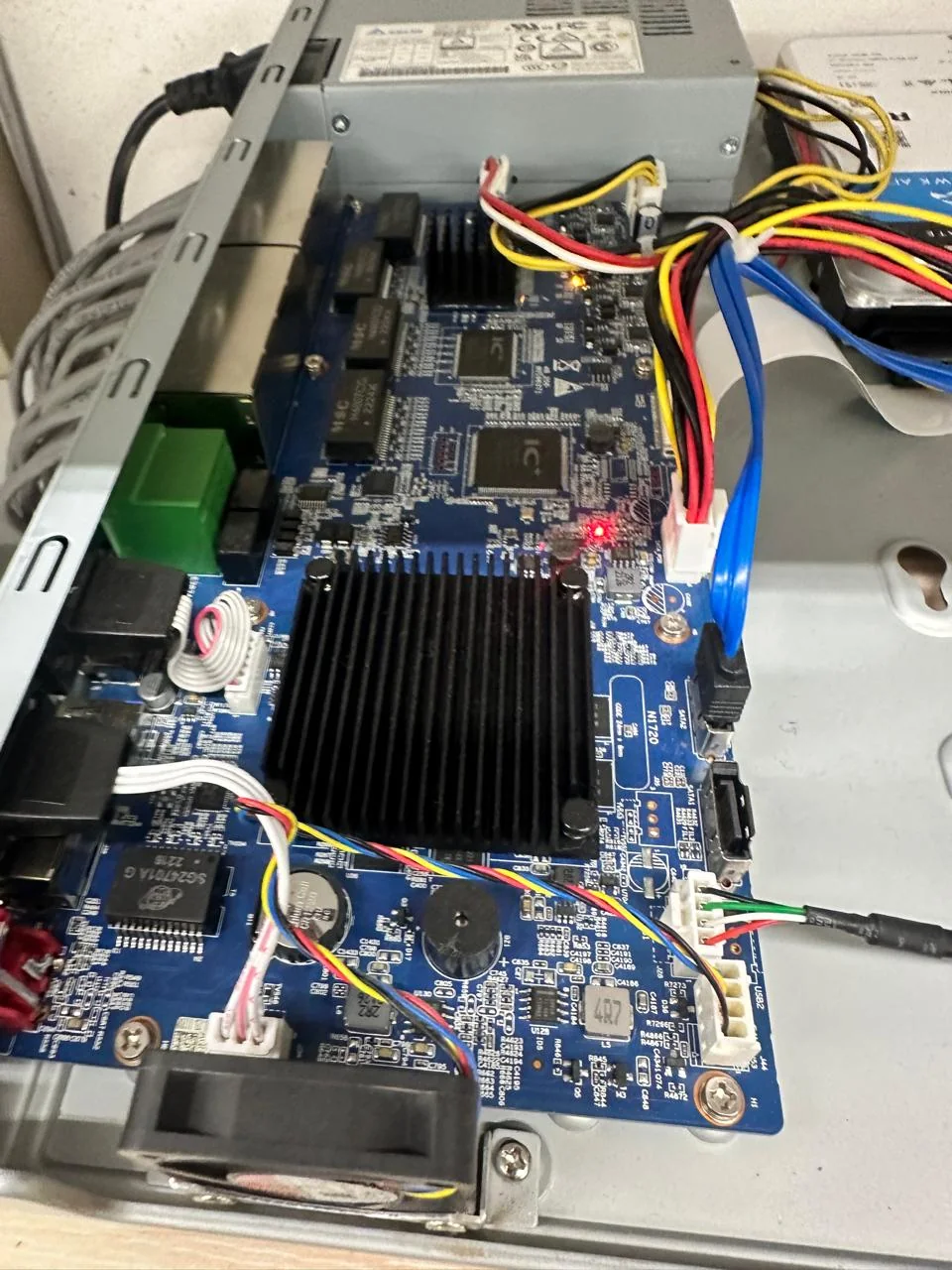
Internal equipment photography complements project-specific hardware and connection reviews.
Inside the recording hardware
A closer look at the chassis, storage, and internal connections of surveillance equipment.
Execution process
From coordination to commissioning.
Each project is scoped around its technical requirements. This framework shows the major execution stages without assuming details that have not yet been established.
- 01
Issue intake
Document the reported condition, affected area, system context, and available history.
- 02
Baseline review
Review accessible pathways, connections, endpoints, and relevant system conditions.
- 03
Fault isolation
Narrow the issue to an identified area or next diagnostic action where possible.
- 04
Findings and next step
Document findings and coordinate an approved corrective or follow-up scope.
Discuss your project
Need troubleshooting capability?
Share the location, project environment, target timeline, and technical scope. CTS Pacific can help identify the appropriate next step.
Request a project quote- 01Services
Select one or multiple capabilities
- 02Project
Location, environment, and timeline
- 03Scope
Existing conditions and intended outcome
- 04Contact
Project contact information